





















Book description
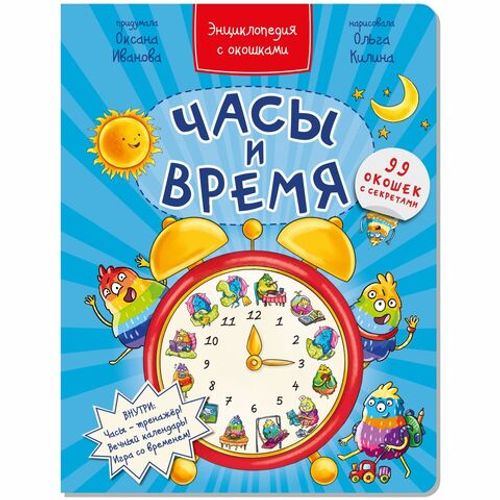
Unlock the magic of time with this hands‑on learning experience! Time Wizards transforms abstract concepts like hours, days, and years into tangible discoveries — perfect for young learners eager to master the rhythm of daily life.
What’s inside:
-
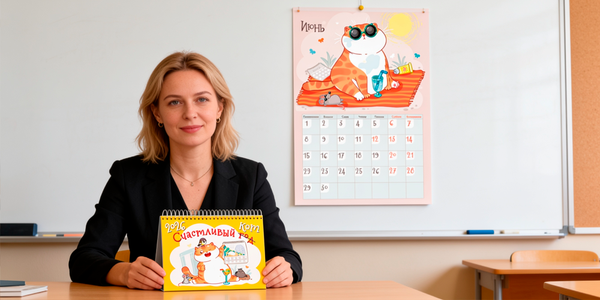
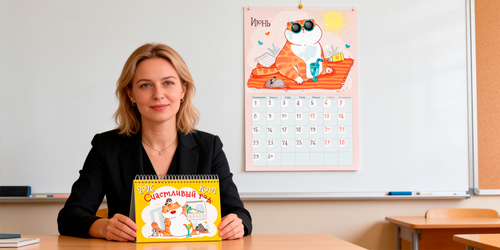
Build‑your‑own tools — assemble a working paper clock and a perpetual calendar to practice time‑telling and date tracking;
-
Time concepts explained — clear, kid‑friendly answers to big questions:
-
What is a year? — learn why we have 12 months and what each name means;
-
How do days add up? — explore weeks, months, and seasons with visual timelines;
-
What are 24 hours? — understand day and night cycles through interactive diagrams;
-
-
Museum of Time tour — “visit” ancient sundials, water clocks, grandfather clocks, and digital watches from around the world;
-
Skill‑building games —
-
Match activities to times (“Breakfast at 8 AM!”);
-
Sequence days of the week with moveable tiles;
-
Solve time riddles (“What has hands but no fingers?”);
-
-
Fun facts & stories — e.g., “Why is February the shortest month?”, “How did people tell time before clocks?”;
-
Daily routine guides — learn to plan your morning, afternoon, and evening to avoid being late.
Interactive features:
-
Lift‑the‑flap secrets — discover hidden clock mechanisms or historical timekeeping methods;
-
Spinning clock faces — practice setting hands to 5‑minute intervals;
-
Pull‑tab seasons — watch nature change from spring to winter;
-
Tear‑out calendar templates — personalize your weekly schedule;
-
QR codes — link to videos of clock museums, time‑lapse sunrises, or stop‑motion gear animations.
Why families love this book:
-
Hands‑on learning — combines reading with building, spinning, and matching;
-
Builds essential life skills — teaches time management, planning, and punctuality;
-
Supports early math — reinforces counting, number recognition, and fractions (quarter past, half past);
-
Encourages independence — helps kids understand routines and take ownership of their day;
-
Perfect for shared exploration — parents and kids can discuss global time differences or family schedules.